South America · 34°36′S 58°22′W · Kitchen-tested
Argentina
Fire, beef, and an unreasonable amount of dulce de leche
The ten
Ranked by what people actually name first
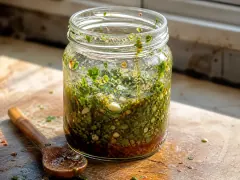 ChimichurriA cured sauce, not a blended one — dried herbs hydrated first, acid before oil, and a ratio you only have to remember once.
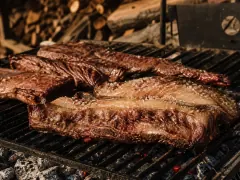 AsadoA method, not a steak recipe — charcoal or hardwood burned to embers, a grate you raise and lower, and three lead cuts that eat completely differently.
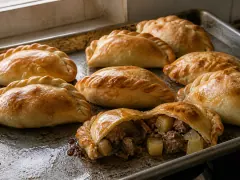 Empanadas ArgentinasThree fillings — knife-cut beef, shredded chicken, ham and cheese — into bought 12 cm discs, sealed properly and baked hard at 220 °C.
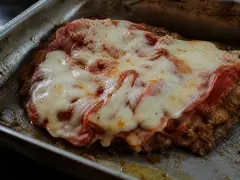 Milanesa a la NapolitanaA thin breaded cutlet fried to a real crust, then buried under ham, cooked tomato, and melted cheese. A Buenos Aires plate that borrowed a name from Naples.
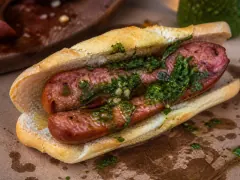 ChoripánFresh chorizo grilled whole, then split and put back on the iron, packed into crusty bread toasted in its own fat and dressed with chimichurri.
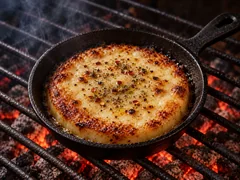 ProvoletaA thick disc of provolone grilled until the outside crusts and the middle collapses. Oregano, ají molido, a film of oil, and you eat it fast.
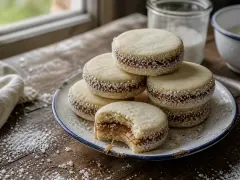 Alfajores de MaicenaTwo pale cornstarch biscuits that dissolve on the tongue, stuck together with thick dulce de leche and rolled in coconut. Colour in the oven is a failure signal.
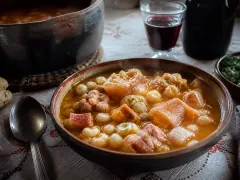 LocroWhite corn, white beans, squash, and as much of the pig as the pot will take, simmered until a spoon comes up coated. The 25 de Mayo stew.
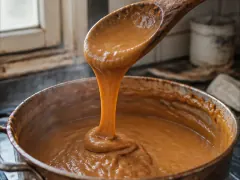 Dulce de LecheMilk and sugar cooked down in a wide pot until the water is gone and the milk itself has browned. It is not caramel, and it is not a can in a pot of water.
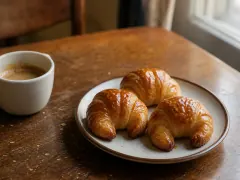 MedialunasSmall butter-laminated crescents, baked pale-gold and lacquered with hot syrup the moment they leave the oven. A factura for coffee, not a croissant.
Argentine cooking runs on two obsessions that rarely meet in the same meal: meat cooked slowly over wood, and pastry filled with something sweet enough to make your teeth ache. Between them sits a third national habit — Italian food, rebuilt so thoroughly by a century of immigration that nobody calls it Italian anymore.
What surprises most people is the patience. The asado is not grilling; it is a four-hour negotiation with a fire. The empanada is not fast food; it is a regional argument with a folded edge. Almost nothing here is complicated, and almost nothing here is quick.